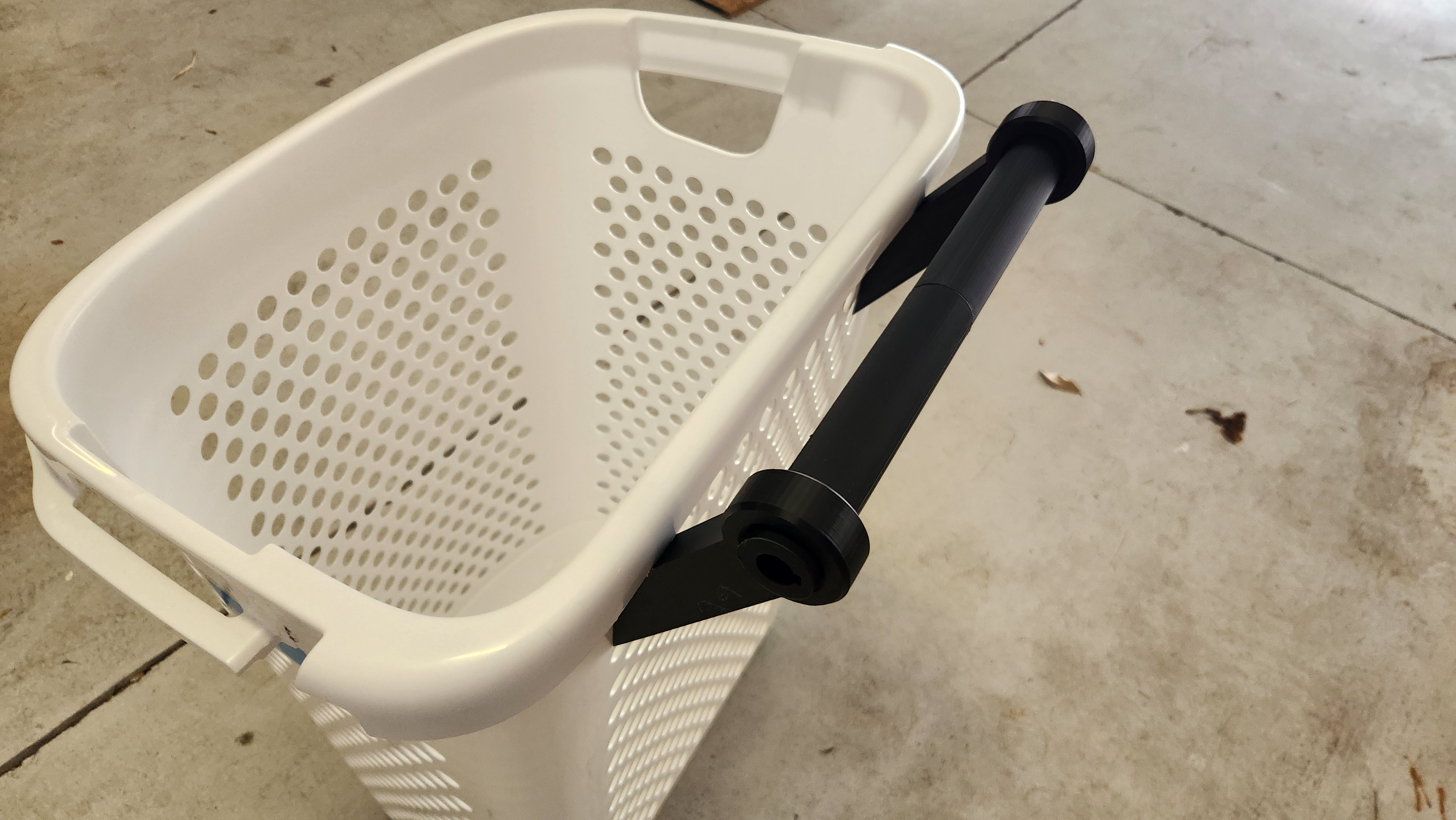
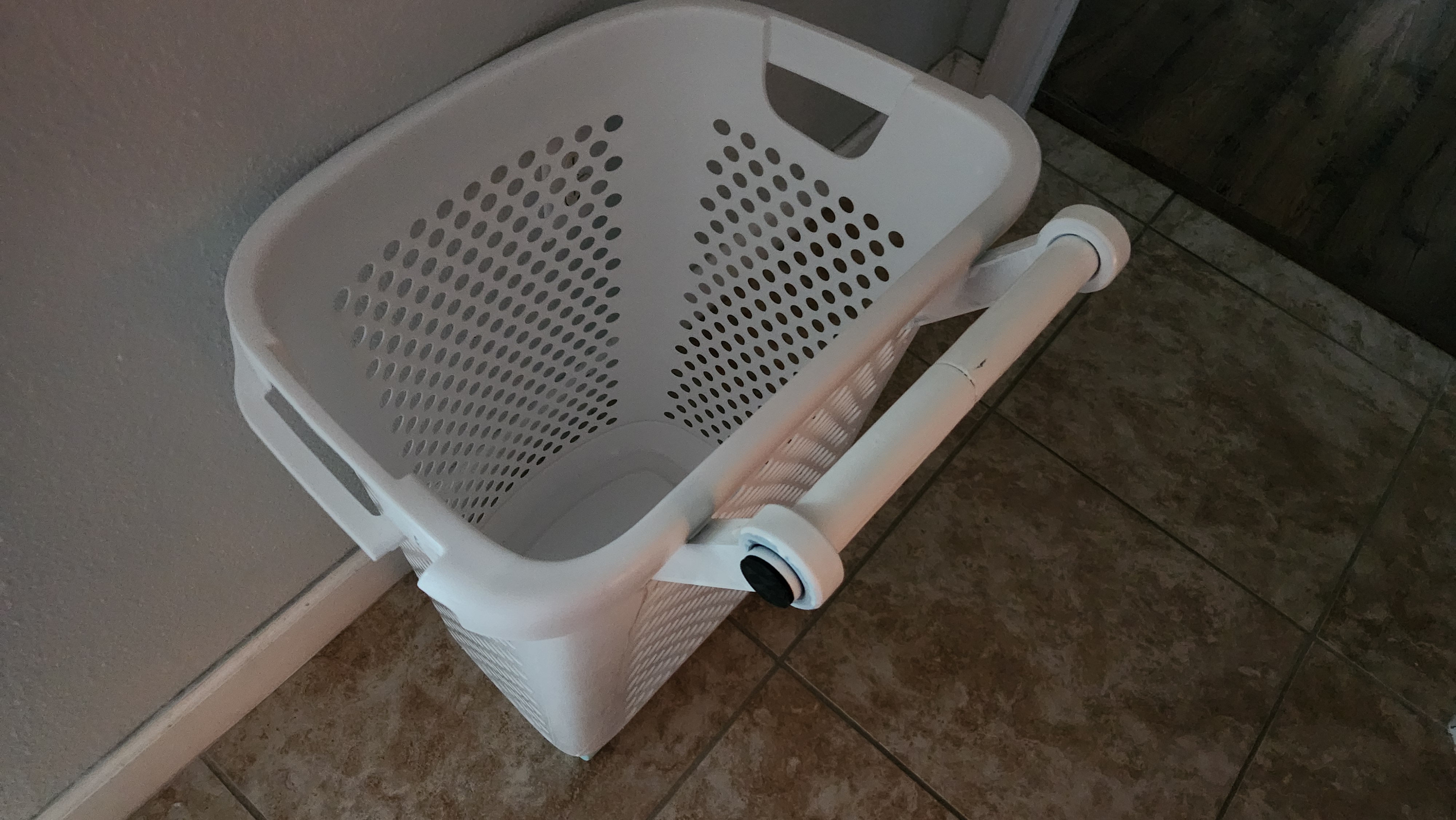
Ergonomic Laundry Basket Retrofit
By: Evan Favis, December 15, 2025
Objective
Engineer and manufacture a high-strength replacement handle for an injection-molded laundry basket that failed due to mechanical creep and material fatigue.
Failure Analysis
Root Cause Analysis Material Science Design for Manufacturability (DfM)The original handles failed under repeated cyclic loading. Through a failure analysis, I identified that the thin-walled injection-molded plastic was susceptible to creep and plastic deformation. To ensure a permanent fix, I needed a design that could interface with the basket's existing honeycomb structure while providing superior tensile strength.
Design & Engineering Constraints
Rapid Prototyping CAD Mechanical Design Design for Additive Manufacturing (DfAM) Risk Mitigation Resourcefulness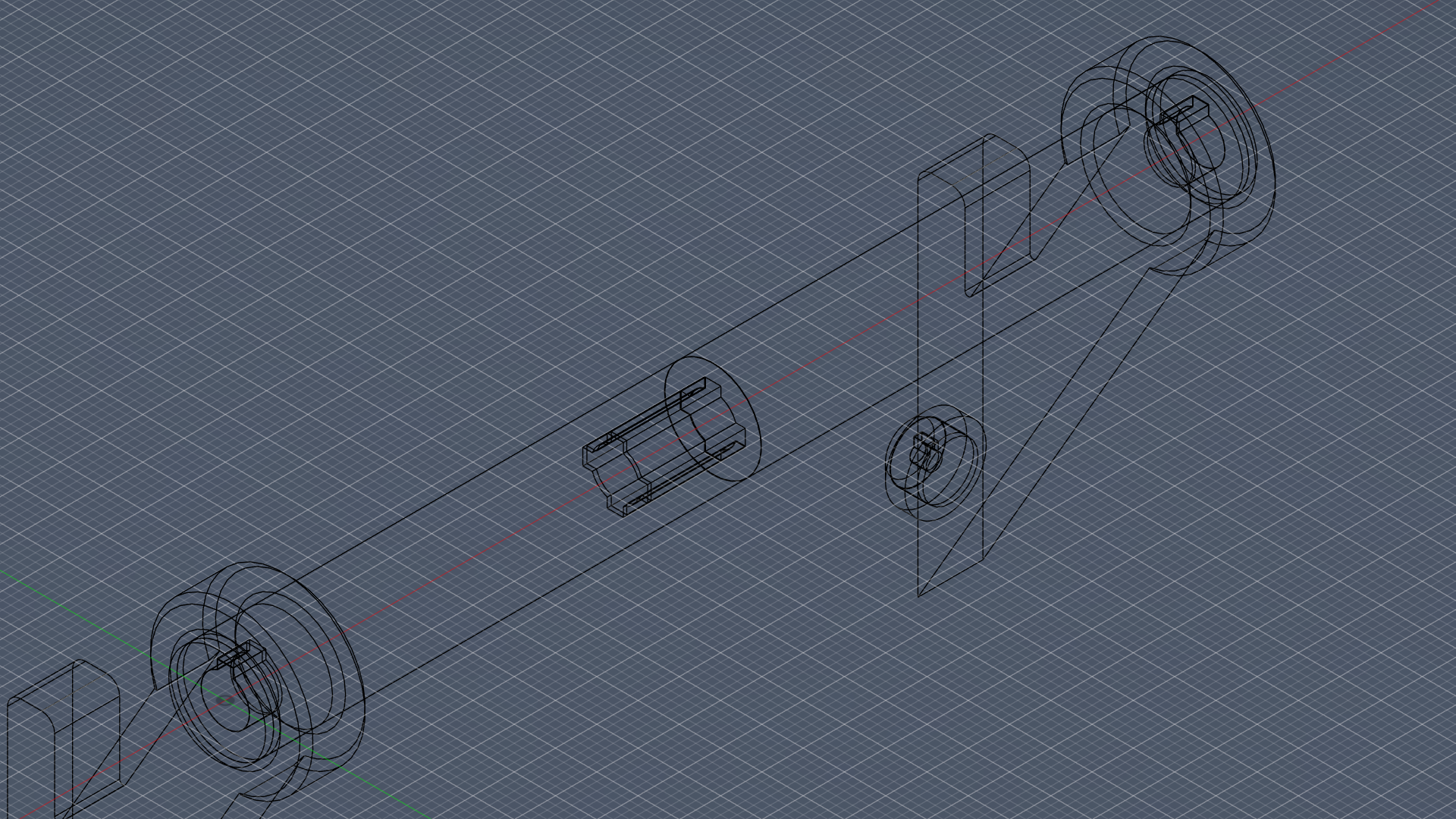
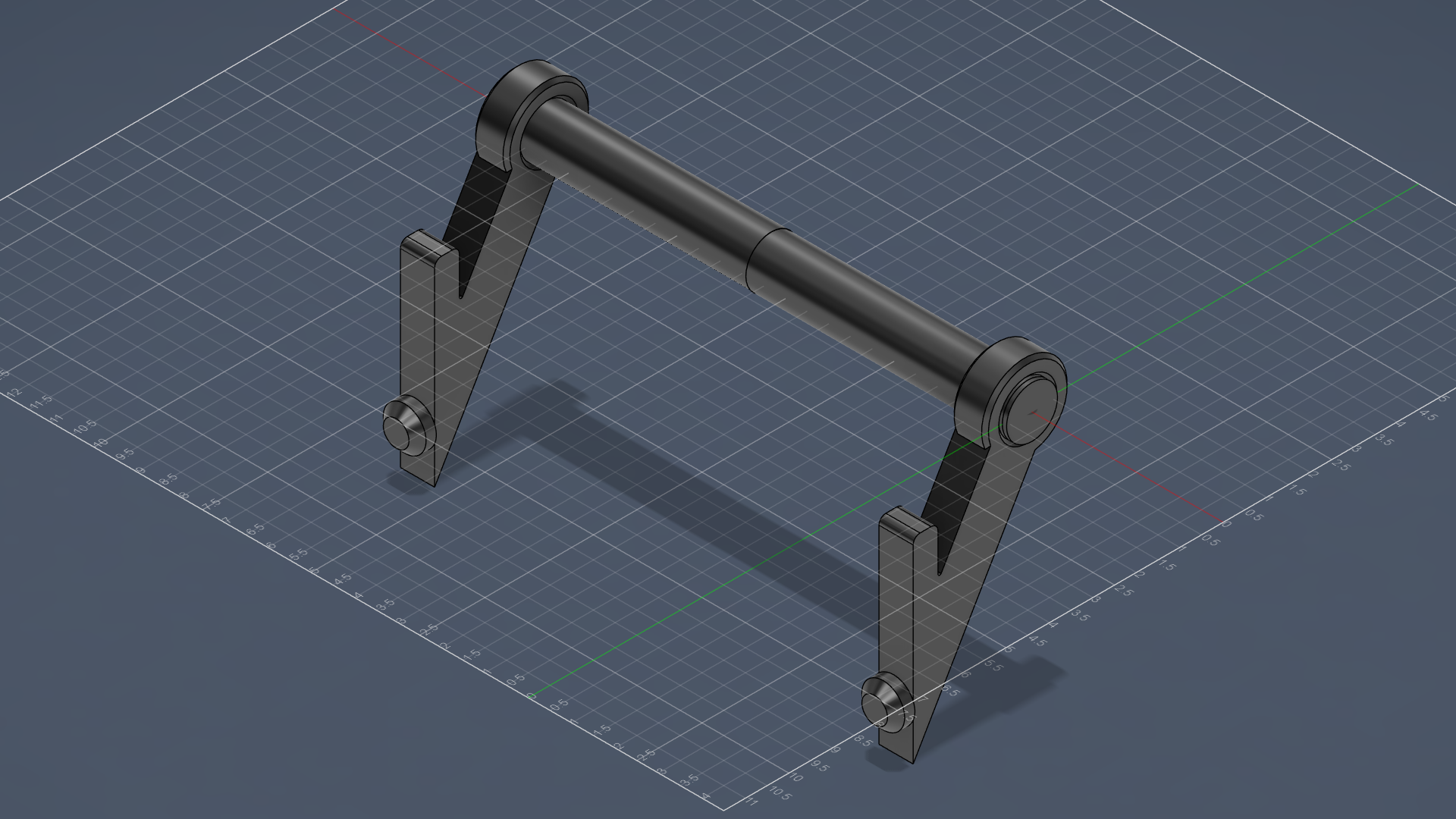
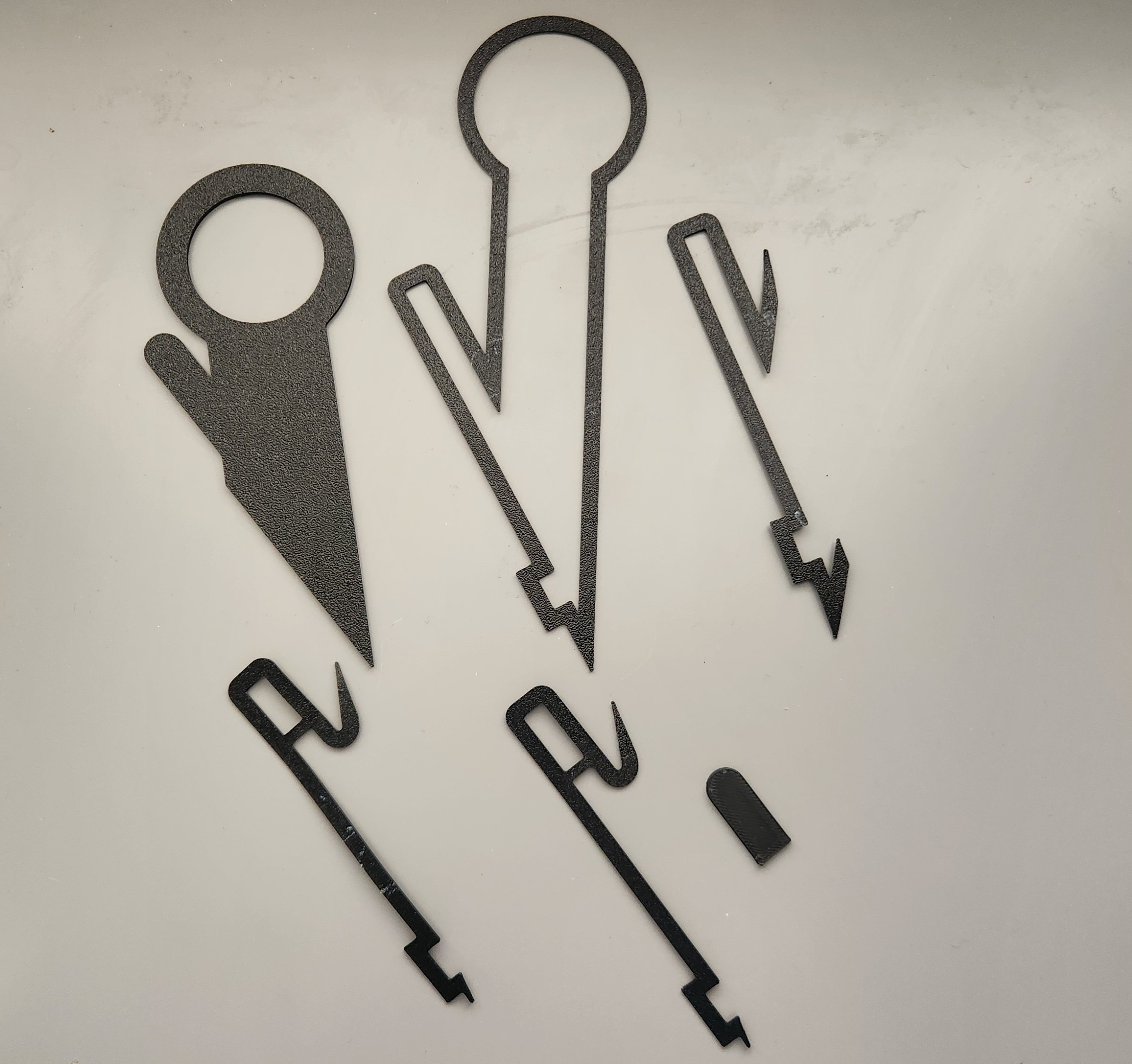
- Working without calipers at the time, I used manual measurement techniques to reverse-engineer the basket’s hole patterns. I developed a multi-part CAD assembly in a Autodesk Fusion360 designed for an interference fit.
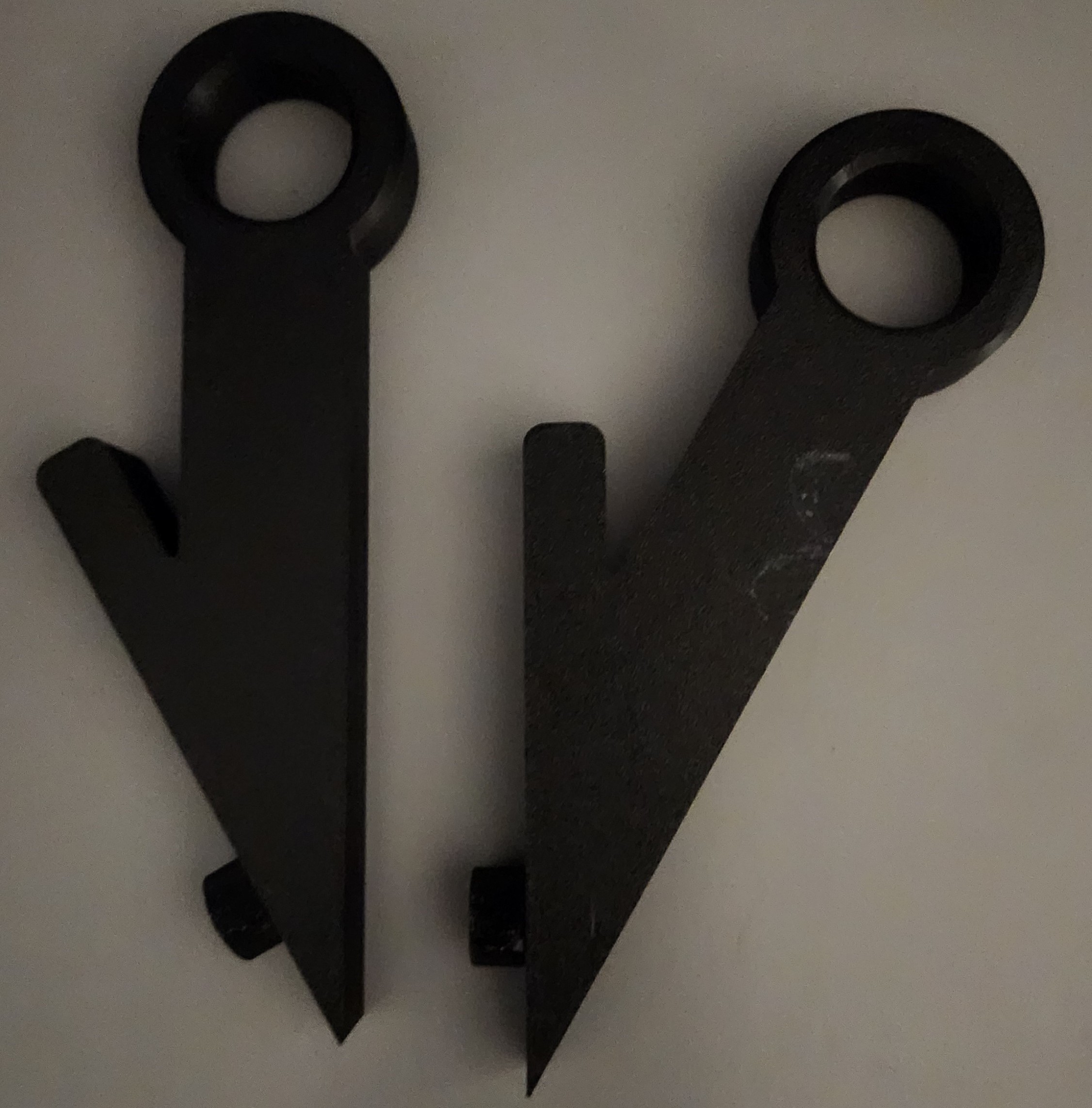
- To maximize structural integrity, I optimized the print orientation to design for additive manufacturing (DfAM). By printing the handle components horizontally, I ensured the grain (layer lines) ran parallel to the load path. This significantly increased the part's resistance to delamination by taking advantage of anisotropic effects.
- I conducted a series of six tolerance tests, printing cross-sectional "fit checks" to validate the interference fit before committing to a full-scale print. This iterative process minimized material waste and ensured a "first-time" assembly success after prototyping
Final Execution
Verification and Validation Post-Processing Sustainability and Lifecycle ManagementThe final assembly was 3D printed and press-fitted into the basket. Post-processing included a white finish to match the original aesthetic. The resulting handle outperforms the original OEM component under full load, successfully extending the product's lifecycle. Polylactic Acid was the thermoplastic used and withstood 25 lbs. of static load.